

Recognize When Your Tree Needs Attention
Trees are an important part of our environment. They provide shade, beauty, and habitat for wildlife. But just like any living thing, trees need care to stay healthy. Knowing when your trees need a trim is crucial. Regular trimming helps maintain their appearance and prevents potential hazards. This guide will help you identify the signs that indicate your trees might need some attention. By recognizing these signs early, you can ensure better tree health and safety in your surroundings.
Overgrown Branches Pose Risks
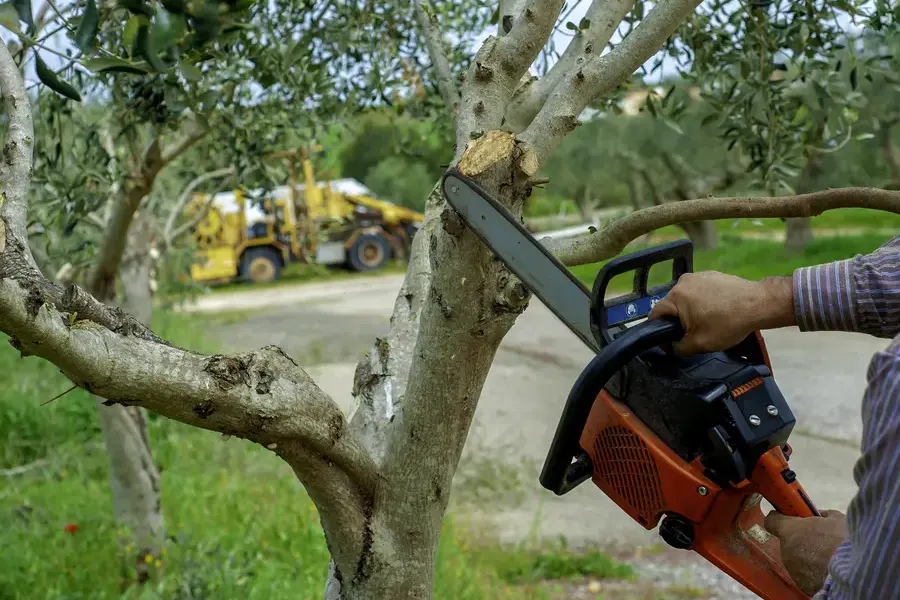
When tree branches become too long, they can pose several risks. Overgrown branches may interfere with power lines or block sunlight from reaching your home. They can also become heavy, increasing the risk of breaking during storms. Managing these risks often requires contacting a reliable tree trimming service. Such a service ensures that overgrown branches are safely removed, reducing the likelihood of damage to property and enhancing overall safety.
Visible Dead or Diseased Branches
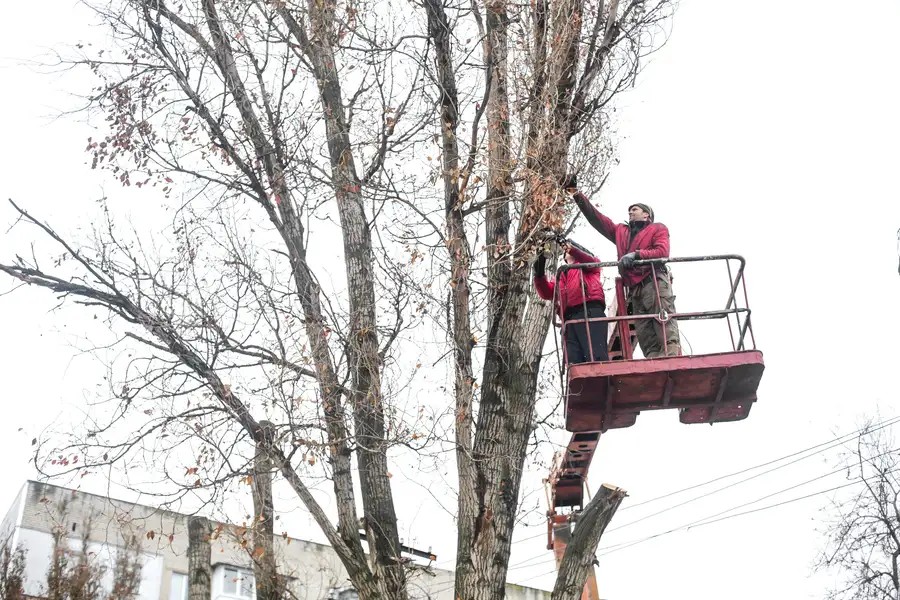
Dead or diseased branches are clear indicators of a tree needing immediate attention. These branches can fall unexpectedly, posing dangers to people or structures nearby. A professional tree trimming service can expertly remove these problematic branches. Removing diseased parts prevents the spread of illness within the tree, promoting healthier growth and longevity.
Unusual Growth Patterns
Sometimes, trees exhibit strange growth patterns such as uneven canopy shapes or leaning trunks. These patterns can result from various factors including wind damage or lack of proper pruning. Regularly monitoring your trees and correcting these patterns is essential. An experienced arborist can assess whether a tree needs structural correction through strategic trimming, which supports balanced growth and stability.
Dense Canopy Reducing Air Circulation
If a tree’s canopy becomes too dense, it can hinder air circulation and light penetration. This can create an unhealthy environment for both the tree and understory plants. A well-spaced canopy allows adequate airflow and sunlight, promoting robust health. You can improve these conditions by thinning out the canopy strategically, which also reduces the risk of disease and pest infestation.
Presence of Hazardous Limbs
Limbs hanging over walkways or roofs are hazardous and should be addressed promptly. These limbs not only threaten safety but could also cause significant damage if they fall. Evaluating the placement of limbs regularly helps prevent accidents and costly repairs. Pruning back these limbs ensures that your outdoor spaces remain safe for everyone.
Enhancing Tree Aesthetics
Beyond safety and health, tree trimming plays a significant role in aesthetics. Well-maintained trees enhance the visual appeal of any landscape. Proper trimming defines shape and removes unsightly elements, making your garden more attractive. If you’re unsure how to achieve this look, consulting with a professional can provide guidance tailored to your specific needs.
Routine Maintenance Tips for Trees
- Inspect trees every season for changes in structure or health.
- Remove deadwood regularly to prevent decay.
- Avoid cutting too close to the trunk; allow healing time.
- Utilize sharp tools for clean cuts.
- Seek professional help for large or high-risk jobs.
Stay Proactive With Your Tree Care
Your trees’ health contributes significantly to the value and enjoyment of your property. Keeping them trimmed enhances safety and aesthetics while supporting long-term vitality. If you notice any signs indicating a need for trimming, don’t delay taking action. Located in Richmond, VA, I offer expert advice and services to keep your trees at their best. Contact me today at (804) 781-2192 for personalized support from AG Tree Service & Landscaping.